gallery categories

galaxies

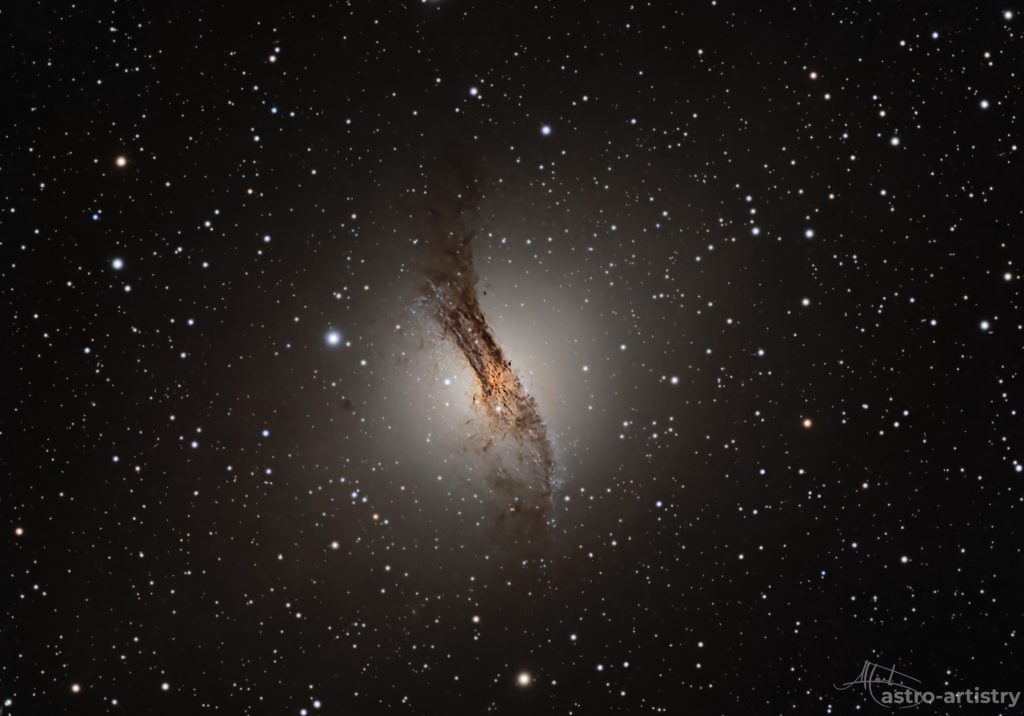
Galaxies are a collection gases, dust billions of stars held together by gravational forces. Galaxies come in for main types, Sprial, Eliptical, Irregular and Lenticular. Thes all have sub types as well. Our Milky way is a great example of a Sprial Galaxy, and the Large and Small Megellanic Clouds are examples of irregular Galaxies.

NGC 5128 - Centaurus-A
M20 - Trifid Nebula - LRGB

nebulae

A nebula is a large cloud of dust and gas in space, primarily hydrogen and helium, that serves as a "stellar nursery" for new star formation or as a remnant from dying stars. These cosmic clouds, which can be incredibly vast, are where the material in the interstellar medium clumps together under gravity to become dense enough to collapse and initiate the birth of stars. There are many types of Nebulae, Reflection, Emissions, Dark, Planetary, and SNR (supernova reminant).

star clusters

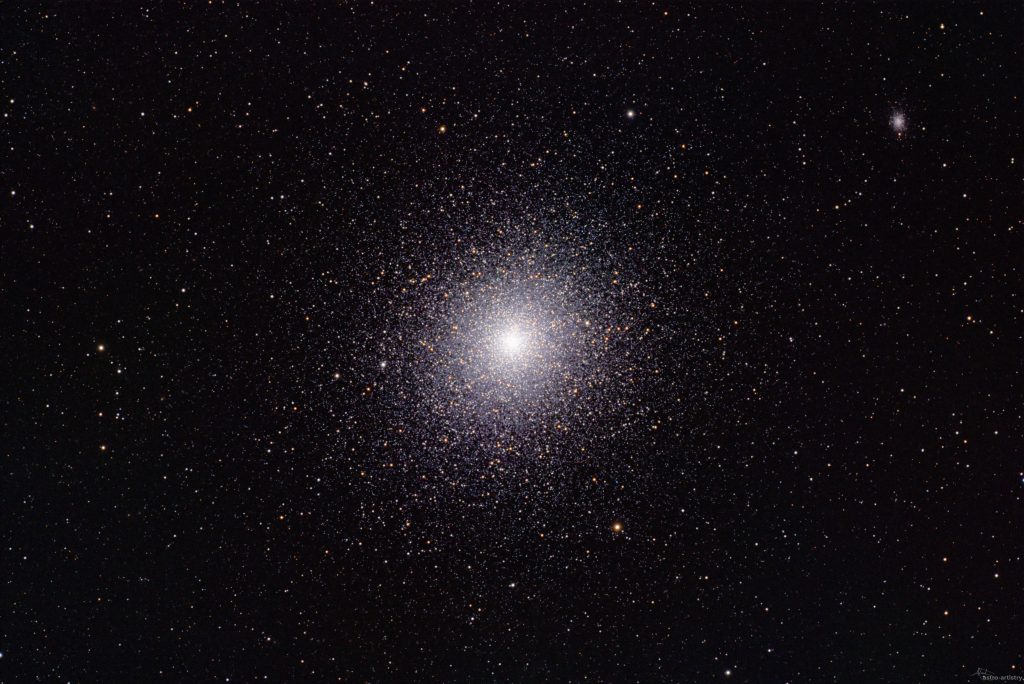
The three main types of star clusters are globular clusters, open clusters, and stellar associations. Globular clusters are old, dense, and spherical with tens of thousands to millions of stars, while open clusters are younger, more diffuse, and loosely bound collections of hundreds to a few thousand stars, often orbiting in a galaxy's disk. Stellar associations are even more dispersed, containing 10 to thousands of young stars and categorised by their specific star types
NGC 104 - 47tuc - Globular Cluster
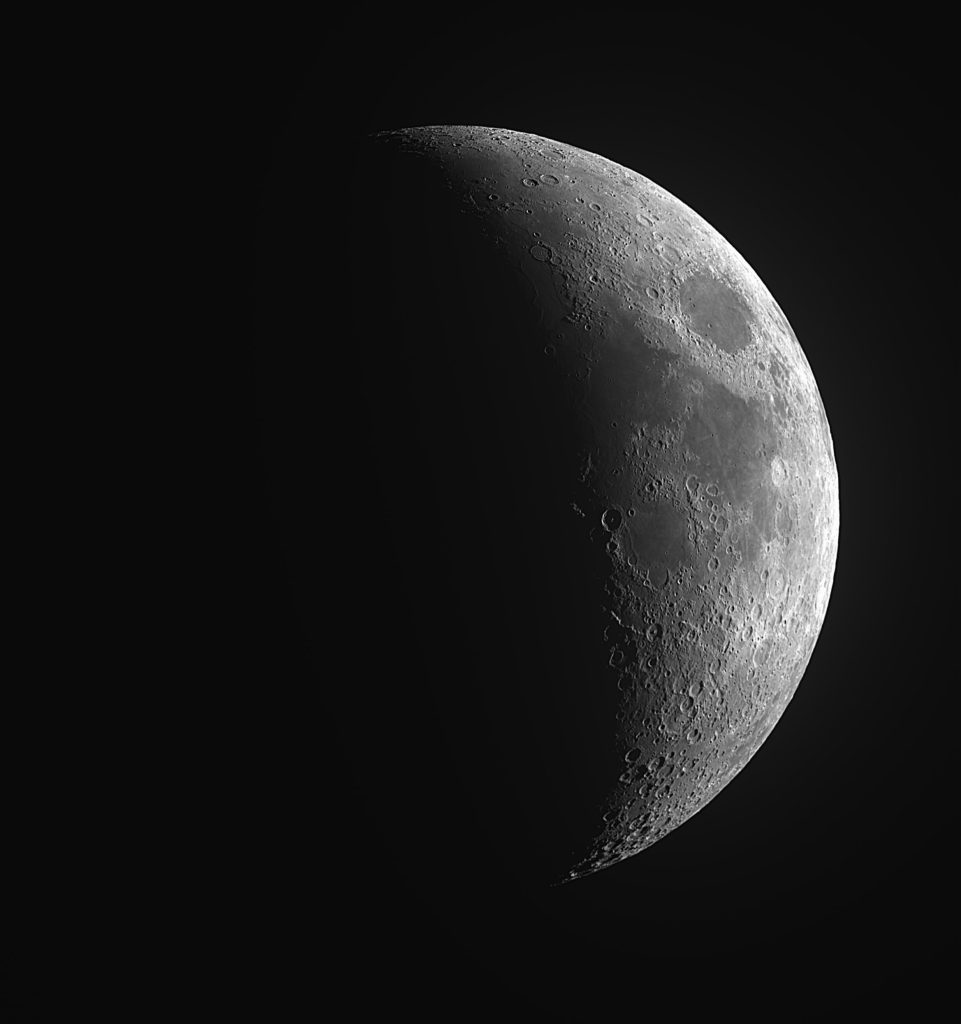
Moon Captured on 130MM refractor, Using StellarMate Pro and video capture, using the ASI585MC un-cooled

solar system

This is collection of bodies within our own solar system. This means it orbits our own own sun or something that that is orbiting the sun for example, our moon orbits our planet which orbits our sun.

F.A.Q.

Frequently Asked Questions

A nebula is a large cloud of dust and gas in space, primarily hydrogen and helium, that serves as a “stellar nursery” for new star formation or as a remnant from dying stars
A galaxy is a massive system of billions to trillions of stars, along with gas, dust, and dark matter, all bound together by gravity
A supernova remnant is the expanding cloud of gas and dust left behind by a supernova explosion, which is a star that has exploded at the end of its life.

I mainly use a Flat Field refractor. There are many out there and they truly do vary in quality, watch a lot of reviews and choose carefully.  For my Solar System work I use a SCT (Schmidt–Cassegrain Telescope) and i use a focal reducer on my Refractor and wider field work.

Mono (monochrome) CCD cameras produce higher-resolution, more detailed, and sensitive images for astrophotography by capturing light in black and white, but require more time and effort, including filter wheels and post-processing, to assemble color images.Color (one-shot color) CCD cameras offer convenience by capturing full color in a single exposure, making them easier for beginners and capturing broadband targets under time-limited conditions. However, color cameras sacrifice some light sensitivity and resolution because the sensor is divided among red, green, and blue filters (a Bayer matrix), which limits the amount of light each pixel captures.